The Stand-Up Project in Beijing: Student Leadership Without Borders
The Stand-Up Project recently returned from the International School of Beijing, where the program was delivered to Elementary, Middle and High School students.
What stood out most was not the distance travelled, but the familiarity of the experience. No matter where we work in the world, students are students. They are curious, energetic, thoughtful and deeply aware of the social dynamics around them.
In one session, a group of students began enthusiastically chanting “six, seven, six, seven.” When asked what it meant, no one could explain it, including the students themselves. It was a simple, light-hearted reminder that young people share humour, spontaneity and collective energy across cultures.
But alongside the laughter were moments of real depth and courage.
During a Middle School teacher session, one student leader stood in front of 180 staff members and explained why he had chosen to become a SUP Leader: he wanted to help reduce discrimination in his school community.
He spoke openly about enjoying wearing dresses, high heels and makeup, and about the teasing he had experienced from peers. For him, becoming a leader was not simply about holding a badge. It was about taking ownership of his identity, challenging harmful behaviour, and modelling resilience in the face of criticism.
His willingness to speak honestly, to both peers and teachers, demonstrated the very purpose of The Stand-Up Project. When students are empowered to lead cultural change, they often bring a level of courage and clarity that adults cannot replicate.
This experience reinforced something we see consistently across countries, sectors and school systems: when young people are given the tools and trust to shape their environment, they rise to the occasion.
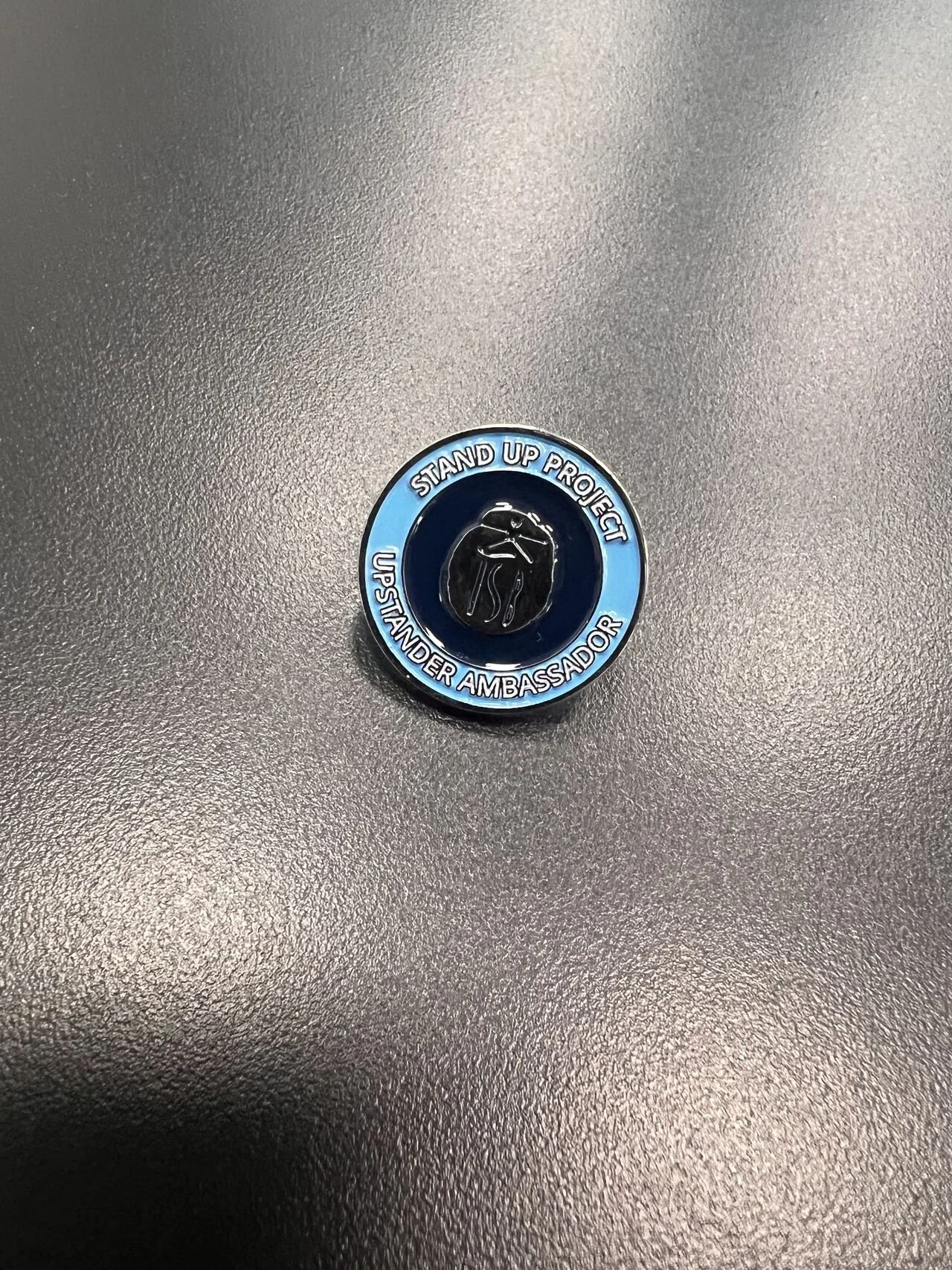
To formally acknowledge their commitment, the International School of Beijing presented the student leaders with SUP leadership badges, which they now wear with pride. These visible symbols of responsibility matter. They signal trust, reinforce identity, and remind the broader school community that student voice plays a central role in building inclusive cultures.
The work of preventing bullying, discrimination and harmful behaviour is not confined by geography. It is driven by student leadership, authenticity and courage, wherever in the world it takes place.